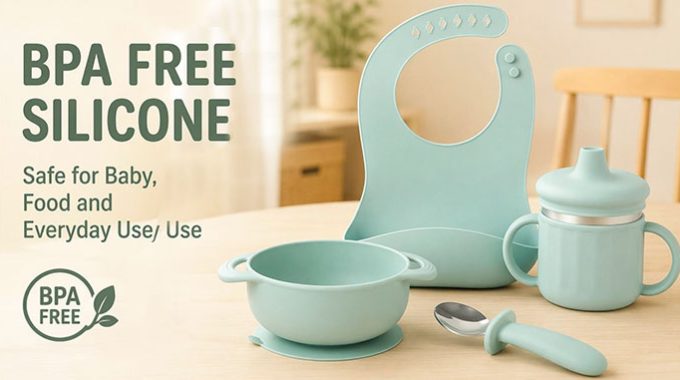
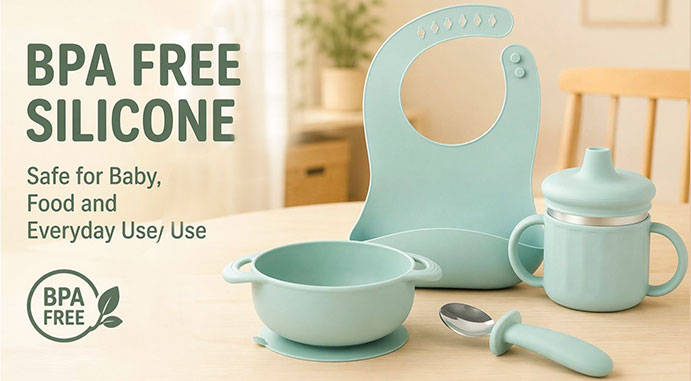
Yes, silicone is generally BPA free. BPA, or Bisphenol A, is mainly associated with certain polycarbonate plastics and epoxy resins, not silicone rubber. Food-grade silicone is normally made from a silicon-oxygen backbone with organic groups, and it does not need BPA to become flexible, heat resistant, or durable.
But BPA free is only one safety claim. A silicone baby bib, teether, bowl, spoon, cup, kitchen tool, or food storage product should also be checked for food-grade material, migration performance, compliant pigments, odor, curing quality, heavy metals, phthalates in any accessible plasticized parts, and supplier test reports.
The strongest answer for parents and buyers is this: silicone is usually BPA free, but safe silicone products should be food-grade, properly cured, tested for the intended use, and documented by the supplier.
What BPA Is and Why BPA-Free Became Important
BPA is an industrial chemical historically used in some polycarbonate plastics and epoxy resin coatings. FDA materials explain that BPA has been used in food packaging since the 1960s and that small, measurable amounts of packaging materials may migrate into food when food contacts packaging. FDA regulations were amended so BPA-based materials are no longer authorized for baby bottles, sippy cups, and infant formula packaging where those uses were abandoned.
This is why BPA-free labels became common on baby and kitchen products. Parents want to reduce chemical exposure from items used with feeding, drinking, teething, heating, washing, and daily mouthing.
A key point competitors often miss: BPA may be replaced with other bisphenols such as BPS or BPF in some plastic products. So for plastic alternatives, a BPA-free label does not always answer the full chemical-safety question. Silicone avoids the BPA question differently because silicone rubber is not normally made from BPA, but the finished product still needs complete safety verification.
Silicone, Silicon, Plastic, Rubber, and TPU: What Is the Difference?
Silicon and silicone are not the same. Silicon is a chemical element. Silicone is a family of synthetic elastomers made with a silicon-oxygen backbone. This difference matters because many consumers search for ‘silicon vs silicone’ when trying to understand material safety.
Silicone is also different from plastic, rubber, and TPU. Some environmental groups describe silicone as plastic-like because it is synthetic, polymer-based, and not biodegradable. From a product and compliance perspective, silicone is not the same as common petroleum-based plastics such as polycarbonate, polypropylene, PVC, or polyethylene. It is also different from natural rubber and TPU.
| Material | What It Is | Best Use | Safety Watch Point |
|---|---|---|---|
| Silicone | Flexible synthetic elastomer with silicon-oxygen backbone | Baby feeding, kitchenware, seals, teethers, bibs, medical-style parts | Verify food-grade material, curing, migration, pigments, and odor |
| Plastic | Broad group of polymers such as PP, PE, PC, PVC, and others | Rigid containers, packaging, cups, utensils, low-cost parts | BPA, BPS/BPF, phthalates, heat deformation, additives vary by resin |
| Rubber | Natural or synthetic elastic material | Seals, grips, industrial parts, flexible items | Latex allergy and food-contact suitability must be checked |
| TPU | Thermoplastic polyurethane, flexible and abrasion resistant | Soft cases, films, coatings, some consumer accessories | Sealants, tubing, molds, gaskets and cookware |
Food-Grade Silicone vs Regular Silicone
Food-grade silicone is silicone material designed for contact with food, beverages, skin, or the mouth. It is commonly used in baby bibs, bowls, spoons, plates, pacifiers, bottle nipples, teethers, snack cups, reusable bags, baking molds, spatulas, and food storage lids.
Regular silicone may be suitable for industrial seals, electronics, household products, or non-food components, but that does not automatically make it suitable for baby feeding or kitchen contact. Food-grade silicone should be evaluated through the finished product’s intended use, temperature range, colorant system, curing method, and test results.
| Question | Food-Grade Silicone Answer | Regular Silicone Risk |
|---|---|---|
| Can it touch food or the mouth? | Designed and tested for food-contact or mouthing use | May not have food-contact qualification |
| Can it handle heating and washing? | Temperature range and repeated-use performance should be specified | Heat performance may not match kitchen or sterilizing use |
| Are pigments and additives checked? | Colorants should be suitable for food-contact use | Pigments or fillers may not be documented |
| Can it be used in baby products? | Possible when product design and children’s safety requirements are met | Not suitable unless re-qualified and tested |
BPA-Free Does Not Mean Automatically Safe
This is one of the most important gaps in many competitor articles. BPA free only means the product does not contain BPA. It does not automatically mean the product is non-toxic, food-grade, baby-safe, plasticizer-free, heavy-metal-free, or suitable for heating.
For plastic products, BPA may be replaced by other bisphenols or different additives. For silicone products, the main concerns are usually not BPA itself but poor curing, excessive volatile residues, unsafe pigments, filler contamination, odor transfer, migration failure, low-grade raw material, non-compliant printed logos, or unsafe mixed-material parts.
For a silicone baby product, the safety review should cover the entire product, not only the silicone body. A bib may include printed decoration, a logo, packaging, a label, a snap, or an overmolded part. A teether may require mouthing and mechanical safety checks. A spoon or bowl may need food-contact migration testing and heat-use validation.
How to Identify Safe Food-Grade Silicone
Consumers can start with practical checks: clear food-grade silicone labeling, a BPA-free statement, no strong chemical smell, a smooth non-sticky surface, clear cleaning instructions, and transparent brand information. These checks are useful, but they do not replace laboratory testing.
Business buyers should ask for documents before placing bulk orders. Real safety verification is based on test reports, material declarations, production controls, and batch traceability, not on a pinch test or a supplier promise.
| Verification Item | What to Request | Why It Matters |
| Food-contact testing | FDA, LFGB, EU, or target-market test report where applicable | Confirms suitability for food, drink, or mouth contact |
| Material declaration | Silicone grade, curing system, pigment information | Shows what the product is made from |
| Migration and volatile residue checks | Overall/specific migration or extractives tests where required | Reduces risk of taste, odor, or chemical transfer |
| Children’s product checks | CPSIA/CPSC-related documents for U.S. baby products | Baby products may need more than food-contact testing |
| Physical performance | Tensile, tear, heat aging, dishwasher, boiling, or sterilization checks | Confirms product durability in real use |
| Traceability | Batch number, supplier records, approved sample control | Supports quality management and issue response |
How Suppliers Verify Silicone Safety
In professional silicone manufacturing, safety verification starts from raw material control. Suppliers normally confirm silicone grade, pigment requirements, and test standards before production. Material documentation and third-party testing reports help brands evaluate product compliance before placing bulk orders.
Benefits and Applications of BPA-Free Silicone
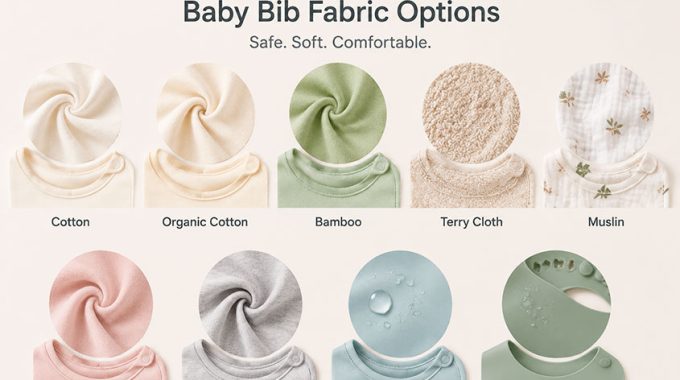
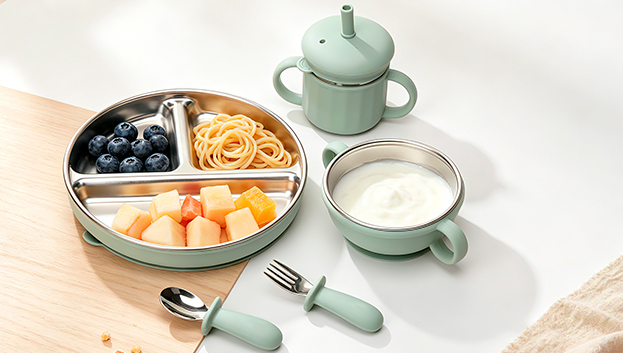
BPA-free silicone is widely used because it is soft, flexible, heat resistant, reusable, and easy to clean. For baby products, it can reduce breakage risk and provide a comfortable feel for bibs, teethers, spoons, bowls, plates, pacifiers, bottle nipples, suction mats, snack cups, training cups, bath toys, and sensory toys.
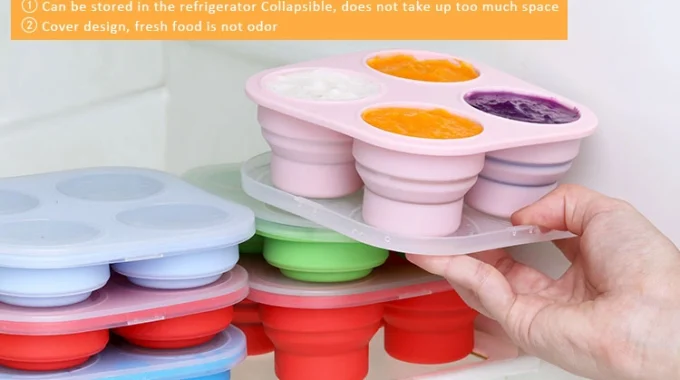
For kitchen and household products, silicone appears in spatulas, baking molds, baking mats, food storage lids, reusable bags, ice trays, lunch boxes, bottle sleeves, seals, gaskets, bathroom accessories, laundry tools, and protective grips. For medical, healthcare, and personal-care uses, silicone is valued for flexibility and stability, but those categories may require specialized material and regulatory review.
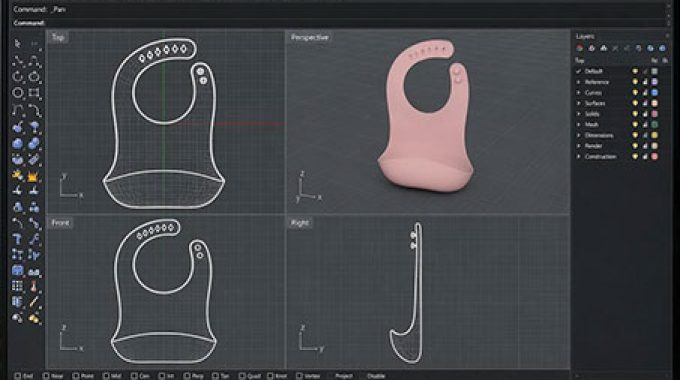
For OEM projects, applications should not be grouped together too casually. A silicone baby bib, silicone spoon, silicone teether, silicone cup, silicone toy, and silicone kitchen mold all have different exposure conditions, testing needs, and product-failure risks.
Safety, Allergy, Cleaning, and Use Tips
Silicone allergy is considered uncommon, but sensitivity, irritation, or reaction can still occur from additives, residues, pigments, surface contamination, or mixed materials. If a baby shows redness, rash, or discomfort after using a silicone item, stop use and consult a medical professional.
Safe cleaning depends on the product. Many food-grade silicone products are dishwasher safe, but printed decoration, adhesives, overmolded parts, or mixed materials may need gentler cleaning. For baby feeding products, wash before first use, clean after each use, dry fully before storage, and follow the supplier’s boiling, sterilizing, microwave, freezer, and dishwasher instructions.
Discard silicone products if they become sticky, cracked, torn, strongly odorous, discolored beyond normal use, or damaged at edges. For baby teethers, cups, spoons, bibs, and toys, inspect surfaces regularly because babies may chew or pull them.
Environmental Impact: Is Silicone Better Than Plastic?
Silicone is not biodegradable, so it should not be marketed as a perfect environmental solution. Some environmental critics also point out that silicone is synthetic and can contribute to waste if treated as disposable. That point is important and should not be ignored.
At the same time, silicone can be more durable than many low-quality plastic products. A well-made silicone item may be used for years, resist cracking, and replace multiple disposable or easily broken plastic items. This makes silicone a practical choice for reusable product design when brands avoid overproduction, design for long service life, and give clear care instructions.
The most balanced sustainability message is: silicone is durable and reusable, but not biodegradable. It is usually better positioned as a long-life alternative to disposable or low-quality plastics, not as a zero-impact material.
Buyer Checklist for Brands and OEM Projects
For brands selling silicone baby or kitchen products, safety claims should be built into sourcing and product development, not added only in marketing. Before mass production, confirm the exact material, color, curing system, mold process, post-curing plan, odor control, test reports, packaging, and finished-product inspections.
| Buyer Question | Good Supplier Answer |
| Is the silicone BPA free? | Yes, and the supplier explains that BPA is not normally used in silicone rubber. |
| Is it food-grade? | Supplier provides material declaration and food-contact testing for the target market. |
| Are pigments compliant? | Supplier can provide colorant or finished-product documentation. |
| What about BPS, BPF, phthalates, and heavy metals? | Supplier understands these are separate safety concerns and provides relevant reports when applicable. |
| Can it be boiled, microwaved, or dishwashed? | Supplier gives validated temperature and care limits. |
| Is the product safe for babies? | Supplier confirms age-grade, mechanical, chemical, and use-specific testing needs. |
| Can you support OEM branding? | Supplier controls printed logos, overmolding, packaging, batch records, and approved samples. |
Conclusion
Silicone is generally BPA free because BPA is mainly associated with certain plastics and epoxy resins, not silicone rubber. This makes food-grade silicone a strong option for baby feeding products, kitchenware, reusable household products, and many OEM product lines.
But the best article answer is not simply ‘silicone is BPA free.’ A trustworthy answer is: food-grade silicone is usually BPA free, but the finished product should be verified for food-contact safety, children’s product requirements, pigments, migration, odor, curing quality, heat use, cleaning durability, and supplier traceability.
For brands, the strongest product message is: made from food-grade silicone, BPA free, tested for the intended use, durable for repeated daily use, and produced under documented quality control.
FAQ
Is silicone BPA free?
Yes. Silicone is generally BPA free because BPA is mainly used in certain plastics and epoxy resins, not silicone rubber.
Is all silicone food grade?
No. Silicone can be made for industrial, household, medical, food-contact, or baby-product uses. Food-grade suitability must be verified by material and test documents.
Is BPA-free plastic as safe as silicone?
Not automatically. BPA-free plastic may use other resins or additives, and some products may use BPA replacements such as BPS or BPF. Compare complete test reports, not only the claim.
Is silicone plastic?
Silicone is synthetic and polymer-based, so some environmental groups call it plastic-like. Chemically and functionally, silicone rubber differs from common plastics such as polycarbonate, PP, PE, PVC, and TPU.
What is the difference between silicone and silicon?
Silicon is a chemical element. Silicone is a synthetic elastomer family made with a silicon-oxygen backbone and organic groups.
Is silicone safer than rubber or TPU?
It depends on the formulation and intended use. Food-grade silicone is often strong for baby and kitchen products, while rubber and TPU need separate food-contact and baby-safety qualification.
How do I know if silicone is food safe?
Look for food-grade labeling and, for business buying, request food-contact test reports, material declarations, pigment documentation, and batch traceability.
Can silicone release chemicals?
Poorly made, poorly cured, or non-food-grade silicone may create odor, residue, or migration concerns. This is why testing and supplier quality control matter.
Is silicone environmentally friendly?
Silicone is durable and reusable, but not biodegradable. It is best positioned as a long-life alternative to disposable or low-quality plastics, not as a zero-impact material.
Is silicone safe for baby products?
Food-grade silicone can be suitable for baby bibs, bowls, spoons, teethers, pacifiers, and toys when the product is designed and tested for baby use.